Affordable garden maintenance in Freezywater EN3 real cost guide
If you live in Freezywater and the garden is starting to feel like another bill, you are not alone. Grass grows fast, hedges have a sneaky way of expanding, and weeds somehow show up after one wet week and a bit of sunshine. This Affordable garden maintenance in Freezywater EN3 real cost guide breaks down what you may actually pay, what affects the price, and how to keep outdoor upkeep manageable without cutting corners where it matters.
We will look at the real-world cost factors, the types of maintenance most homes need, and the small decisions that can save money over time. There is no magic number that fits every garden, to be fair, but there are clear patterns. Once you understand those, quotes stop feeling like a guessing game.
Table of contents
- Why Affordable garden maintenance in Freezywater EN3 real cost guide Matters
- How Affordable garden maintenance in Freezywater EN3 real cost guide Works
- Key Benefits and Practical Advantages
- Who This Is For and When It Makes Sense
- Step-by-Step Guidance
- Expert Tips for Better Results
- Common Mistakes to Avoid
- Tools, Resources and Recommendations
- Law, Compliance, Standards, or Best Practice
- Options, Methods, or Comparison Table
- Case Study or Real-World Example
- Practical Checklist
- Conclusion
- Frequently Asked Questions
Why Affordable garden maintenance in Freezywater EN3 real cost guide Matters
A well-kept garden is not just about looks, although let's face it, a tidy front garden does make a property feel calmer the second you step outside. It also affects how much work builds up later. A little maintenance done regularly is usually easier and cheaper than a big seasonal rescue job.
In Freezywater and the wider EN3 area, many gardens are a mix of compact lawns, mature hedges, patio areas, and small planting beds. That combination can be affordable to maintain, but only if the work is planned sensibly. One neglected hedge can become a taller, slower job. One overgrown lawn can turn into a full clearance. One slippery patio can need more than a quick sweep.
That is why a cost guide matters. It helps you separate basic upkeep from reactive catch-up work. Basic upkeep tends to be predictable. Catch-up work is where budgets wobble. If you know the difference, you can choose the right level of service and avoid paying for problems that could have been prevented months earlier.
There is also a trust angle here. When a quote is broken into tasks, you can see what is driving the price: labour time, waste removal, hedge height, access, or the amount of green waste. That clarity matters more than the headline number.
For homeowners who want a cleaner, lower-stress outdoor space, maintaining it well can be one of the simplest upgrades. For landlords, it keeps the property presentable between tenancies. For older residents or busy families, it can remove a practical burden that quietly drains time every week.
How Affordable garden maintenance in Freezywater EN3 real cost guide Works
Most garden maintenance pricing is shaped by a handful of real-world variables rather than a flat rule. A small courtyard with a few borders is a very different job from a long rear garden with dense hedging, ivy, uneven access, and a tired lawn that needs more than a trim.
At a practical level, garden maintenance usually falls into one of these models:
- One-off visit pricing for a clear task or seasonal tidy-up
- Hourly or half-day work where the exact scope may shift as the gardener sees the site
- Regular maintenance plans for ongoing grass cutting, weeding, pruning, and general upkeep
- Task-based quotes for bigger jobs such as hedge work, patio cleaning, or tree-related work
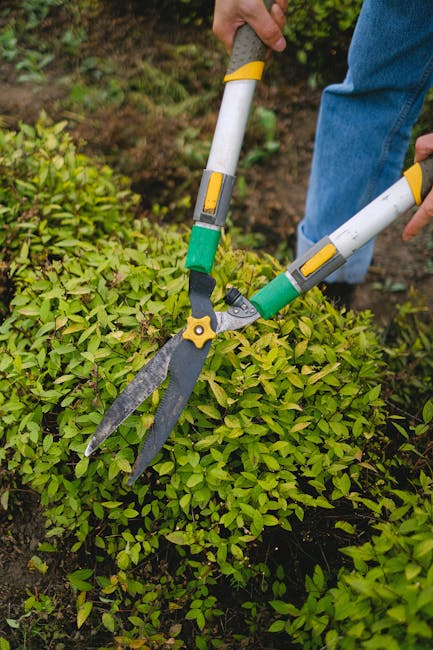
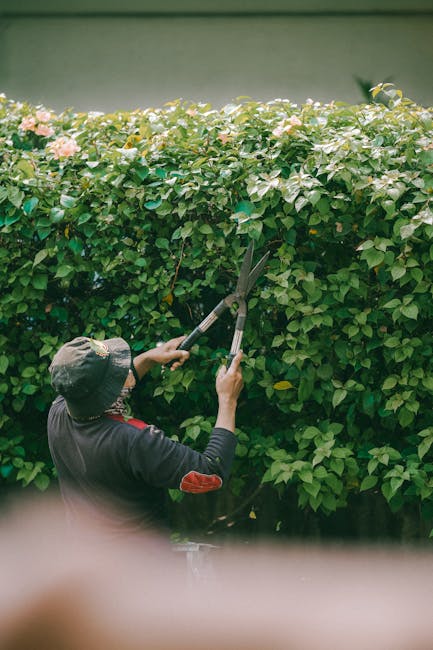
What changes the price most often? Height, volume, and access. A hedge that looks reasonable from the road can be a very different beast once you are on a ladder with a full hedge line to finish. Similarly, a garden full of prunings, damp leaves, and old cuttings takes more time to clear than a neat, open space.
There is usually also an element of seasonal demand. Spring and late summer can be busier because gardens grow faster and many people want a reset before guests, holidays, or the darker months. Winter jobs can be cheaper in some cases, but weather adds its own complications. Wet ground, poor light, and wind all slow things down.
If you are trying to keep things affordable, the key is to define the job properly. Say whether you want mowing only, mowing plus edging, hedge trimming, weed control, leaf clearance, or a broader garden tidy. The more precise the brief, the less likely you are to pay for guesswork.
Key Benefits and Practical Advantages
Affordable garden maintenance is not only about spending less. It is about getting the right value for your money. A cheap cut that leaves edges ragged, paths cluttered, or hedges uneven can cost more later because you will need the job redone sooner.
Here are the biggest benefits when maintenance is planned well:
- Better long-term value because small jobs stop becoming big ones
- Cleaner kerb appeal which helps the whole property feel more cared for
- Safer outdoor areas with reduced trip hazards, moss build-up, and obstructed paths
- Healthier planting thanks to timely pruning, feeding, and weed control
- More usable space for family time, pets, or simple quiet sitting outside
- Less personal stress because the garden stops hanging over your head like an unfinished chore
There is a subtle but important point here. Many people assume maintenance is a luxury. In reality, good maintenance is often cost control. A regular cut and tidy can be far cheaper than a major seasonal overhaul. The same goes for hedge work, where keeping growth in check is usually easier than paying for a huge reduction later.
And if your garden is part of your everyday life, the benefits are not abstract. You will notice the difference on a damp Tuesday morning when you step outside and the patio is clear, the lawn looks even, and there is no tangle of clippings by the fence. Small win, but a good one.
Who This Is For and When It Makes Sense
This kind of garden maintenance guide is useful for a few different people, and each has slightly different priorities.
Homeowners with busy routines often need a regular, affordable service that keeps the garden from slipping into chaos. If you are commuting, working from home, or juggling family life, it is easy for a tidy plot to become a weekend burden.
Landlords and managing agents usually want predictable costs and simple presentation standards. The goal is rarely perfection. It is more about keeping the outdoor space neat, safe, and ready for viewings or occupancy.
Older homeowners may want selective help with heavier or awkward jobs. A regular cut is one thing. Climbing ladders with hedge trimmers is another. That is where professional support can make practical sense.
People trying to improve a tired garden on a budget often benefit from phased work. Instead of doing everything at once, they can sort the high-impact tasks first: lawn, hedges, weeds, and clearing hidden debris. If you need ideas for keeping costs down, our low-maintenance gardening on a budget tips article is a useful companion read.
Pet owners and families may care more about safety and practicality than presentation alone. That means dealing with broken branches, hiding places for hazards, and edges that make play areas easier to use. For homes with dogs, this can become a surprisingly important part of maintenance planning.
When does it make sense to book help? Usually when one of three things happens: the work takes too long, the tools you need are expensive, or the job is risky. That is often the point where a professional becomes the cheaper option overall.
Step-by-Step Guidance
If you want to keep garden spending under control, work through the job in order. A tidy plan is almost always better than a vague "sort the garden" request.
- Walk the garden and list the jobs
Start with the basics: mowing, edging, hedge trimming, weeding, leaf clearance, patio cleaning, pruning, and waste removal. Write down what is actually needed, not what you hope someone might magically know. - Separate essential work from nice-to-have work
Essential work might be safety-related or time-sensitive. Nice-to-have work might be border reshaping, decorative pruning, or a full replant. This split helps you budget realistically. - Measure the scale
Small front garden? Long rear boundary hedges? Thick ivy? A larger lawn? Scale matters. A gardener can quote more accurately if you describe the size and density of each area. - Decide whether you want one-off or ongoing help
One-off work suits tidy-ups and special occasions. Regular maintenance is usually better value if the garden needs attention every few weeks. - Ask what is included
Check whether the price includes clippings removal, bagging waste, edging, or green waste disposal. These extras can change the final bill quite a bit. - Compare like for like
Do not compare a quick mowing price with a full maintenance visit. That is how people end up thinking a quote is expensive when it actually includes more work. - Book at the right time of year
Try to stay ahead of growth spurts. A light tidy in the right month can prevent a much larger bill later.
A small example: a homeowner with a modest lawn and two hedges may think they need a complete overhaul. Often, they really need a structured first visit, then a lower-cost ongoing routine. That first job feels bigger, yes, but after that the maintenance becomes far easier to manage. Much easier.
Expert Tips for Better Results
Over time, the cheapest garden is often the one that is maintained before it becomes dramatic. A bit harsh, maybe, but true.
- Prioritise recurring growth points like lawns, hedge lines, and front-border weeds. These areas drive most visible change.
- Keep access clear before the gardener arrives. Moving bins, toys, bikes, and plant pots can shave time off the visit. It sounds minor. It is not.
- Bundle related tasks where sensible. For example, hedge trimming and waste clearance often make more sense together than as separate call-outs.
- Choose the season carefully. If you know the garden gets wild after rain and warmth, book before it reaches that stage.
- Use maintenance to prevent specialist work. Repeated weed control and light pruning can delay the need for heavier landscaping work.
- Ask for realistic expectations. A garden that has been neglected for months rarely becomes showroom-perfect in one visit. A good gardener will tell you that straight.
If your garden includes dense climbers, ivy, or screening plants, trimming and control should be done before the stems turn woody and awkward. For more on that side of things, see how to conquer ivy once and for all and precision hedge trimming techniques. These jobs can look simple from a distance. They rarely are.
One more practical tip: if you are comparing quotes, ask whether the service is built around appearance, plant health, or property safety. The answer tells you a lot about the standard you are buying. And yes, it can save an awkward conversation later.
Common Mistakes to Avoid
The biggest money mistakes are usually not dramatic. They are small, repeated decisions that quietly add up.
- Hiring only by the lowest headline price without checking what is included
- Ignoring waste removal and then discovering the garden looks tidy until the piles of cuttings appear
- Waiting too long between visits so the next job takes twice as long
- Assuming all hedge work is the same when tall, dense, or awkward hedges often need more time and care
- Forgetting access issues such as side gates, steep steps, or narrow entry points
- Skipping safety checks around broken paving, loose decking, or unstable branches
Another common mistake is asking for a "quick tidy" when the space needs a defined maintenance plan. That phrase can mean almost anything. If you want affordability, clarity is your friend.
Also, do not over-focus on cosmetic perfection. A lawn can be neat without being striped like a football pitch. A hedge can be healthy without being sculpted into submission. Sometimes good enough is exactly the right standard, and you do not need to pay extra to chase something unrealistic.
Tools, Resources and Recommendations
A lot of budget control starts with understanding what tools are needed and what you can safely leave to a professional. If you are doing small tasks yourself, the basics help a lot: a mower, secateurs, shears, gloves, a rake, and a sturdy bag or bin system for clippings.
For more involved or repeat work, professional garden maintenance can save time by bringing the right equipment in one go. That may include heavier cutting tools, blowers for clearing debris, pressure cleaning equipment for hard surfaces, or the right gear for dealing with thick growth. Our essential garden tools article covers the practical side if you are building a small kit at home.
A few useful resources on the site can also help you plan the job:
- garden maintenance services for general upkeep planning
- lawn mowing support if the grass is the main issue
- lawn care for healthier turf over time
- patio cleaning when hard landscaping needs attention too
- hedge trimming in Freezywater for more structured boundary work
If you are still at the planning stage, browsing the company's pricing and quotes information can help set expectations before you ask for a visit. That tends to make the whole process smoother, and a bit less back-and-forth.
For many gardens, the smartest "resource" is not a tool at all. It is timing. A thirty-minute tidy every couple of weeks is often far cheaper than letting everything go for two months and then calling in a rescue job. Simple, but it works.
Law, Compliance, Standards, or Best Practice
Garden maintenance is not usually a heavily regulated purchase for the homeowner, but there are still sensible standards to watch for. The main concerns are safety, waste handling, and the care of property boundaries.
Good practice in the UK generally means:
- working safely with ladders, cutting tools, and powered equipment
- handling green waste responsibly
- being careful around shared boundaries, fences, and neighbouring property
- not damaging nesting wildlife or protected features
- being honest about what the work involves and what it excludes
If a job involves elevated hedge work, tree-related pruning, or anything potentially hazardous, the contractor should be able to explain how they manage risk. You should also expect clear communication on site access, waste removal, and any limitations. That is basic professionalism, really.
For business transparency, it is sensible to check the company's policies on health and safety, insurance and safety, payment and security, and terms and conditions. If a service provider has clear written information, that is usually a good sign. Not a guarantee, but a good sign.
It is also wise to know where to raise a concern if something goes wrong. A straightforward complaints procedure shows that a business takes service issues seriously rather than hoping they disappear. That kind of clarity matters more than glossy promises.
Options, Methods, or Comparison Table
Here is a simple comparison of common approaches to keeping a Freezywater garden affordable.
| Option | Best for | Pros | Watch-outs |
|---|---|---|---|
| One-off tidy-up | Neglected gardens or pre-event resets | Fast improvement, easy to book | Can cost more if the garden keeps slipping |
| Regular maintenance | Busy households and landlords | Predictable, usually better value over time | Needs commitment and planning |
| Task-by-task quoting | Gardens with mixed jobs | Transparent pricing for each item | Can add up if the scope keeps changing |
| DIY plus occasional help | Budget-conscious owners | Lower spend on simple jobs | Time, tools, and safety become your responsibility |
If you want the simplest recommendation, regular maintenance tends to offer the best balance for most homes. One-off clearance makes sense if the garden has been left alone for a while. DIY works for light jobs, but it can quickly stop being cheap if you need specialist tools or spend half a Saturday wrestling with stubborn growth. Been there, honestly.
Case Study or Real-World Example
Here is a realistic example based on the kind of call-outs many gardeners see in EN3.
A homeowner has a modest rear garden with a lawn, two overgrown hedges, a few weeds pushing through the beds, and a patio that has turned green after a damp spell. At first glance, they assume they need a full overhaul. In practice, the better solution is to break it into phases.
Visit one focuses on the visible reset: mowing, hedge trimming, weeding, and clearing the worst of the debris. The patio is swept and cleaned enough to make the space usable again. Visit two, a few weeks later, handles the follow-up: edging, light pruning, and preventing the same issues from returning. By doing it that way, the owner avoids paying for a massive "everything at once" rescue. The garden looks better sooner, and the ongoing maintenance stays affordable.
What made the difference? Planning. Not a fancy tool, not a miracle product. Just choosing the right order.
That is the real trick with affordable maintenance: do the important work before the garden starts shouting for attention.
Practical Checklist
Use this checklist before booking any garden maintenance visit.
- List the exact jobs you want done
- Decide if it is a one-off or repeat visit
- Check whether waste removal is included
- Note any access problems, slopes, gates, or narrow paths
- Identify tall hedges, thick ivy, or awkward corners
- Separate urgent safety issues from cosmetic work
- Ask what equipment the team brings
- Confirm the quote covers the full scope
- Look at the company's safety, payment, and complaints information
- Book before the garden gets too far behind
Expert summary: Affordable garden maintenance is rarely about choosing the cheapest visit. It is about matching the right level of work to the right schedule so the garden never has to be rescued from scratch.
Conclusion
The real cost of garden maintenance in Freezywater depends on the size of the garden, the amount of overgrowth, the type of work needed, and how often you want it done. Once you understand those pieces, pricing becomes much easier to compare. You stop reacting to the quote and start evaluating it properly.
If you want affordability, aim for routine care, clear job definitions, and practical timing. That combination usually gives better value than sporadic big clean-ups. And if your garden has become a bit much lately, do not beat yourself up about it. Gardens drift. Life gets busy. Then one day you open the back door and think, right, we need a plan.
Get a free quote today and see how much you can save.
With the right approach, a tidy and healthy garden does not have to feel like a luxury. It can be one of those quiet, satisfying parts of home life that just works.
Frequently Asked Questions
How much does affordable garden maintenance in Freezywater EN3 usually cost?
It varies by garden size, overgrowth, access, and the tasks included. A small routine visit is usually very different from a one-off clearance or hedge reduction.
Is regular maintenance cheaper than one-off garden tidy-ups?
Often, yes. Regular work usually prevents bigger problems, so the garden needs less labour each time. One-off jobs are useful, but they can cost more if the garden has been neglected for a while.
What is usually included in a garden maintenance visit?
Common tasks include mowing, edging, weeding, hedge trimming, pruning, leaf clearance, and light waste removal. Always check the exact scope before booking, because not every visit includes the same things.
Can I lower the price by doing some work myself first?
Yes. Clearing toys, pots, branches, and loose debris before the visit can help reduce labour time. Even twenty minutes of prep can make a difference.
Why do hedge trimming prices vary so much?
Height, thickness, access, and how far the hedge has grown all affect the time required. A neat hedge line is one thing; a dense, tall boundary is another entirely.
Is patio cleaning part of garden maintenance?
Sometimes it is, sometimes it is separate. If your paving or seating area needs attention, ask whether it is included or should be quoted separately.
Do I need garden maintenance all year round?
Not always, but many gardens benefit from seasonal visits. Spring, summer, and autumn often need more attention than winter, although winter jobs can still be important for safety and structure.
How can I tell if a quote is good value?
Compare the included tasks, waste removal, access assumptions, and whether the quote is for a single visit or ongoing care. A cheaper quote that excludes key tasks may end up costing more overall.
What should I ask before booking a gardener?
Ask what is included, how waste is handled, whether the team is insured, how payment works, and whether they can explain the expected time on site. Clear answers usually mean a smoother job.
Are there any safety concerns with DIY maintenance?
Yes. Ladder work, heavy cutting, unstable surfaces, and powered tools can all pose risks. If a task feels awkward or unsafe, it is sensible to leave it to someone with the right equipment and experience.
What if my garden has been left alone for months?
That is common. The best approach is usually a first clearance visit followed by lighter, regular maintenance. Trying to solve everything in one go can be expensive and exhausting.
How do I keep maintenance costs down long term?
Stay consistent, deal with weeds early, trim hedges before they get out of hand, and book work before the garden becomes a rescue project. That is the boring answer, but it is the right one.
When a garden is looked after steadily, it tends to repay you quietly. Less stress, fewer surprises, and a nicer place to step into at the end of the day. That is worth quite a lot, really.